
Madison jail, located in Madison, Wisconsin, is an important part of the local criminal justice system. The Madison County Sheriff’s Department manages this facility and holds individuals who are awaiting trial or serving short-term sentences. The jail focuses on keeping the community safe while also providing care and support for inmates. Programs aimed at rehabilitation help prepare them for life after incarceration.
Madison jail works hard to maintain a secure environment for both inmates and staff. It offers various services such as visitation and support programs, which can help families stay connected with their loved ones. By focusing on rehabilitation and safety, the Madison jail plays a part in reducing repeat offenses in the community. Understanding how the jail operates can help families and friends navigate the system more easily.
Madison County Jail Inmate Lookup Guide
Locating an inmate in Madison County Jail is a simple process, thanks to the facility’s inmate lookup system. This tool is crucial for anyone wishing to stay updated on the condition of their family members or clients.
How to Use the Inmate Lookup System
Gaining access to the inmate lookup system is important for obtaining details about incarcerated individuals. Whether you are a relative, attorney, or a concerned member of the community, knowing how to effectively use this resource can provide clarity on an inmate’s situation. The procedure generally consists of a few easy steps, allowing you to find the information you’re after quickly.
Visit the Jail’s Website
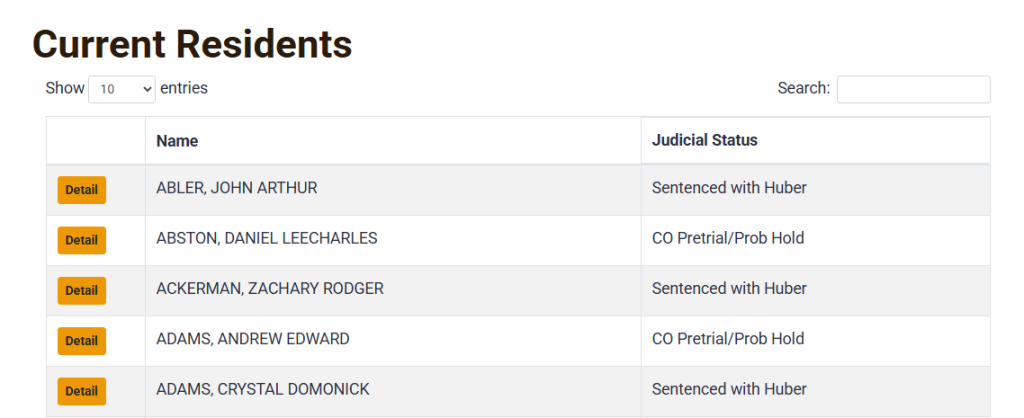
The official website features a specific section dedicated to inmate searches. Navigate to the page labeled “Inmate Roster.”
Input Search Criteria
You can enter either the inmate’s first and last name or an inmate ID number. Providing precise information will yield more reliable results.
View Inmate Information
After submitting your search request, you will receive comprehensive details about the inmate. This includes:
- Full Name
- Booking Date
- Charges and Legal Status
- Bond Amount (if applicable)
- Court Dates and Case Progression
- Expected Release Date (for sentenced inmates)
First-time users may face challenges when using the basic search features. Here are some suggestions to simplify the process:
- Double-check the spelling of the inmate’s full legal name, as minor errors may prevent results from appearing.
- Consider using partial names or known aliases if applicable.
- If your search yields no results, contact the jail directly to confirm the inmate’s status.
This system is regularly updated to reflect the latest information on inmate statuses.
Offline Search Options
If you prefer not to use online resources, or if the website is temporarily unavailable, Madison County Jail provides support through phone inquiries or in-person visits.
Contact the Jail Directly
You can reach out to Madison County Jail’s public information number to speak with staff members who can assist you in locating an inmate. Have relevant information ready, such as the inmate’s full name, date of birth, or booking number, if available.
Visit the Jail in Person
You may also go to Madison County Jail to ask about an inmate’s status. Bringing official identification and any pertinent details can expedite the inquiry process.
Check Public Information Boards
Many jails maintain public boards or kiosks with basic inmate information that may be accessible while on-site at the facility.
For assistance, you can contact Madison County Jail at [insert contact number].
Madison Jail Inmate Information
The Madison jail roster serves as a vital resource for anyone looking to stay informed about current inmates. This publicly accessible list is consistently updated, providing essential information such as inmate names, booking dates, charges, and bond details. Families, legal representatives, and community members can rely on this tool to keep track of inmate statuses effectively.
Inmate Booking and Arrest Overview
Individuals arrested in Madison are transported to the local jail for processing. The booking procedure involves standard practices, including the collection of fingerprints, taking mugshots, and recording personal information. The Madison Sheriff’s Office supervises this process, ensuring that all individuals are treated fairly during their time in custody.
The Booking Process in Madison
Upon arrest, individuals are taken to the jail where the booking process is conducted. This process typically involves:
- Fingerprinting: Capturing and logging the arrested person’s fingerprints into the system.
- Mugshots: Taking photographs for record-keeping, known as mugshots, which become part of the jail’s public records.
- Personal Information Collection: Recording the individual’s name, date of birth, and other relevant details to track their legal situation.
- Health Screening: Some facilities carry out basic health assessments to identify any medical needs of the detained individual.
Bail and Court Dates
Bail is a predetermined amount that allows an inmate to be released from custody while awaiting trial. This amount is set by a judge based on various factors, including the nature of the crime and the accused person’s flight risk.
Each inmate is assigned a court date, which is when they must appear before a judge to address the charges against them. If bail is not posted, they will remain in custody until their scheduled court date.
Requesting Mugshots and Public Records in Madison
Mugshots taken during the booking process are generally public records. To obtain a mugshot, individuals can submit a formal request through the Madison Sheriff’s Office. Privacy concerns may arise, especially for those wishing to limit public access to their mugshots after release. Some jurisdictions offer procedures for expunging mugshots from public databases, although these can vary significantly.
How to Submit a FOIA Request
Submitting a FOIA request involves making a formal inquiry to the jail or sheriff’s department, clearly specifying the records you wish to access, including mugshots. Be aware that there may be a fee associated with processing these requests.
Privacy Considerations Regarding Mugshots
Many individuals are concerned about the availability of their mugshot, especially if charges were dismissed or they were found innocent. In some areas, it is possible to request the removal of a mugshot from public databases or websites. This often involves a legal process that may require a court order, depending on local legislation.
The History of Madison Jail
Since its inception in 1836, the Madison Jail has undergone significant transformations, evolving from a modest facility into a contemporary correctional institution capable of addressing the needs of today’s justice system.
Early Beginnings of Madison Jail
Established in 1836, the Madison Jail began as a small structure with limited capacity. Over the years, it has expanded to accommodate a growing number of inmates, reflecting the changing landscape of law enforcement and corrections.
Adapting to Community Needs
Throughout its operation, Madison Jail has continuously adapted to better serve the community and align with shifts in correctional philosophy. The focus has transitioned from solely punitive measures to a more balanced approach that prioritizes security, rehabilitation, and reintegration of inmates into society.
Modern Correctional Practices
Today, Madison Jail implements various programs aimed at reducing recidivism and supporting inmates during their time of incarceration. These initiatives include:
- Educational programs to promote skill development
- Counseling services for mental health support
- Work-release programs to assist in reintegration
Facility Features
The modern Madison Jail is equipped with state-of-the-art technology and facilities designed to ensure the safety of both inmates and staff. Key features include:
- Secure housing units
- Advanced surveillance systems
- Recreational areas for inmate exercise and activities
Engagement with the Justice System
The Madison Jail plays a crucial role in the local justice system, working closely with law enforcement agencies, courts, and community organizations to ensure a cohesive approach to criminal justice. The jail’s development highlights the importance of evolving correctional practices in response to societal needs.
Inmate Services and Facilities in Madison
In Madison, the jail emphasizes the importance of providing inmates with essential services that foster their well-being and support rehabilitation efforts. The facility is committed to maintaining a clean, safe, and comfortable environment for all incarcerated individuals.
Living Conditions and Hygiene
Inmates in Madison are accommodated in either dormitory-style settings or individual cells, depending on their security classification. The facility follows rigorous standards to ensure cleanliness and safety throughout all areas, with regular inspections aimed at upholding high health standards. Each inmate benefits from:
- Three nutritious meals daily, tailored to meet individual dietary requirements.
- Fresh bedding and clothing, which are regularly replaced and laundered.
- Access to hygiene products and opportunities to shower multiple times each week.
Commissary Services
The jail features a commissary that enables inmates to purchase extra food items, personal hygiene products, and writing supplies. Family members are allowed to add funds to an inmate’s account using several convenient methods:
- Online deposits through the jail’s commissary partner.
- Phone deposits via a secure payment system.
- Kiosk payments available at the jail’s reception area.
These purchases not only provide additional comforts but also facilitate communication between inmates and their loved ones, enhancing their connection to the outside world.
Inmate Communication at Madison Jail
Maintaining connections with family and friends is crucial for inmates at Madison Jail. The facility offers various communication methods that comply with security regulations, ensuring that inmates can stay in touch with their loved ones while serving their time.
Phone Communication
Inmates at Madison Jail have the opportunity to make outgoing calls to numbers that have been pre-approved. These calls are primarily made to family members, friends, or legal representatives. The following guidelines apply to phone communications:
- Calls are monitored to maintain safety and security within the facility.
- Inmates utilize a prepaid account system managed by the jail’s communications provider.
- Family members can contribute funds to the inmate’s phone account via online platforms or through kiosks located within the jail.
- Each call is typically limited to a duration of 15-20 minutes to ensure that all inmates have the chance to communicate.
These phone calls are a source of emotional support for inmates and keep families informed about their loved ones’ circumstances.
Mail Communication
Inmates at Madison Jail can also send and receive mail. However, all correspondence is subject to screening by jail officials to prevent the introduction of prohibited items. The following mail guidelines are in place:
- Letters must be written on plain paper and sent in standard envelopes.
- Items such as Polaroid photos, stickers, and materials that could potentially hide contraband are forbidden.
- Magazines, books, and newspapers can only be sent directly from approved vendors.
Mail serves as a significant connection to the outside world, helping inmates feel less isolated during their time in custody.
Email Communication
Madison Jail also provides a secure email platform that allows family members to send messages directly to inmates. While these messages are monitored, they facilitate faster communication compared to traditional mail. Inmates can reply to emails through the same system, making it a convenient option for maintaining contact.
Sending Funds to Inmates in Madison
Inmates at correctional facilities in Madison can receive funds from friends or family members, which can be utilized for commissary items, phone communications, and other services available within the facility. Various options exist for sending money to inmates.
Ways to Transfer Money
Friends and family have multiple convenient methods to send money to inmates, ensuring they can access necessary funds. These options prioritize security and efficiency, providing timely assistance without added complications. Whether opting for online transactions or making payments in person, there are appropriate solutions to fit your preferences.
- Online Deposits: Relatives can transfer funds via the jail’s official online payment portal. This service enables quick and secure transactions to the inmate’s account.
- Kiosk Payments: A kiosk is available in the jail’s lobby for depositing cash or credit card payments. This is ideal for those who prefer face-to-face transactions.
- Mail Money Orders: Sending a money order through the mail is an option, but it must be accurately addressed and made out to the inmate. For security reasons, cash or personal checks are prohibited.
Avoiding Common Errors
When sending a money order, ensure all fields are correctly filled out, particularly the inmate’s full name and ID number. Personal checks or cash will not be accepted and may lead to delays in processing.
Costs for Phone Communications
Keep in mind that phone calls are usually charged on a per-minute basis. It is wise to keep conversations brief to preserve funds.
Funds sent can be utilized by inmates for various purposes such as purchasing items from the jail’s commissary, making phone calls, or paying for medical co-pays. All transactions are documented, and the money remains secure within the inmate’s account until needed.
Madison Inmate Commissary Services
The inmate commissary in Madison provides a significant resource for individuals in custody, allowing them to acquire personal items, snacks, and necessary supplies not supplied by the facility. Inmates can utilize funds from their accounts to make these purchases, which can enhance their overall comfort and well-being during their time in jail.
Commissary Offerings
Through the commissary, inmates can access a wide range of products, enabling them to buy essential items and small luxuries. These selections can positively influence their daily routines and help create a sense of normalcy. The commissary typically includes:
- Snacks and Beverages: Options like chips, candy, coffee, and soft drinks are frequently available.
- Personal Hygiene Products: Essentials such as toothpaste, soap, shampoo, and deodorant can be purchased.
- Writing Supplies: Items like envelopes, paper, and pens for correspondence.
- Additional Clothing: Basic clothing items like socks and undershirts that comply with jail regulations.
Inmates generally place their commissary orders on a weekly basis, with items delivered directly to them within the facility. This service not only aids in maintaining a sense of normality but also contributes to reducing tensions among the inmate population by providing access to additional comforts.
Visitation Guidelines and Standards in Madison County Jail
Maintaining relationships with loved ones is vital for the emotional health of inmates. Madison County Jail provides both in-person and virtual visitation to support families and friends in staying connected.
In-Person Visitation
For in-person visits, advance scheduling is necessary, either through the jail’s website or by contacting the visitation office directly. Visitors must successfully complete a security screening and follow a strict dress code, which prohibits items with inappropriate graphics, revealing clothing, and certain accessories. Regular visiting hours are typically on weekdays from 9 AM to 6 PM, though it’s wise to verify these times beforehand.
- Advance Scheduling: All visits require prior arrangement via the jail’s online platform or by calling the visitation office.
- Security Screening: Visitors must go through a security checkpoint and may be searched for contraband.
- Dress Code: A strict dress code is enforced. Modest clothing is required, and inappropriate attire may lead to denial of entry.
- Visiting Hours: Visits are generally held on weekdays from 9 AM to 6 PM. Confirm these hours in advance as they may change.
- Prohibited Items: Clothing with offensive graphics or language, revealing attire (like sleeveless tops, shorts, or mini-skirts), and hats or sunglasses may be restricted.
Virtual Visitation
Madison County Jail also offers a virtual visitation system, enabling family members to connect with inmates via a secure video call platform. This option is particularly beneficial for individuals who are unable to visit in person due to distance or other constraints. Like in-person visits, these virtual sessions must be scheduled in advance.
First-Time Visitor Tips
Arrive ahead of your scheduled time to accommodate security checks and bring a valid photo ID. Expect visits to last no longer than 30 minutes unless specifically indicated otherwise.
Healthcare and Mental Health Services at Madison Jail
Inmates at Madison Jail receive a wide range of healthcare services that encompass both physical and mental health needs. The facility is committed to providing necessary care for all inmates, whether for routine check-ups or urgent medical situations.
Physical Health Services
Upon their arrival, inmates are subjected to medical evaluations that help identify any pressing health issues. Madison Jail offers various physical health services, including:
- Routine medical care
- Vaccinations
- Management of chronic illnesses
- Access to prescription medications
- Dental and optical services as required
Mental Health Support
Mental health issues are increasingly recognized within correctional facilities, and Madison Jail addresses this concern head-on. The facility provides:
- Individual counseling for inmates facing mental health challenges
- Group therapy sessions focused on addiction, anger management, and coping strategies
- Substance abuse treatment programs, including detox and recovery support
By focusing on mental health needs, Madison Jail plays a significant role in helping inmates tackle the underlying issues that may lead to criminal behavior, ultimately aiding their successful return to society.
Rehabilitation and Vocational Training Opportunities in Madison
The Madison Jail offers a variety of vocational training and rehabilitation options for inmates. Collaborating closely with the Madison Sheriff’s Department, the facility aims to provide support for substance abuse treatment and educational initiatives for those incarcerated.
Educational Programs
Inmates in Madison have the chance to participate in GED programs that assist them in completing their high school education. Achieving a high school diploma is a significant milestone that enhances their prospects for employment after serving their time.
Vocational Training
The vocational training programs available are tailored to equip inmates with practical skills beneficial for future employment. Offered programs include:
- Carpentry and construction skills.
- Plumbing and electrical training.
- Computer literacy and IT training.
By presenting these valuable opportunities, the Madison Jail prepares inmates for a successful transition back into society, fostering stable and productive lives post-release.
Bail and Release Procedures
Madison County Jail follows standard procedures for bail and inmate release, ensuring a transparent and efficient process for both inmates and their families.
Bail Process
If an inmate is eligible for bail, the amount will be set during court appearances. Family members or legal representatives can post bail by:
- Confirming the bail amount with the Booking Office at (615) 555-1234.
- Paying the bail through cash, credit card, or via a bail bondsman.
- Submitting the payment at the jail or through the jail’s payment partner.
Once the bail is processed, the inmate can be released after completing the necessary paperwork.
(Note: The phone number and other details can be modified to reflect accurate and current information for the Madison County Jail.)
Security and Safety Protocols
Madison County Jail follows strict security measures to ensure the safety of inmates and staff. The facility includes:
- 24/7 Surveillance: High-definition cameras monitoring inmate activity.
- Electronic Inmate Monitoring: System to track inmate movements inside the facility.
- Emergency Response Protocols: Procedures to handle medical emergencies, fire evacuations, and security breaches.
- Inmate Classification: System to classify inmates by risk level to ensure appropriate housing and supervision.
- Staff Training: Regular training in security and crisis management for all staff members.
Community and Law Enforcement Partnerships
Madison County Jail works closely with local law enforcement to maintain safety and security. These efforts include:
- Collaboration with Local Police and Courts: Ensures smooth interaction and proper transfer of inmates.
- Educational Outreach Programs: Tours and educational events for the public and students to understand the criminal justice system.
- Victim Assistance Programs: Provides resources and support to victims of crime and their families.
- Community Awareness Campaigns: Educating the public on jail operations and inmate rehabilitation efforts.
Contact Information for Madison Jail
The Madison County Jail is dedicated to maintaining safety and security within the community. For inquiries or further information, please refer to the contact details below.
- Phone: (608) 284-6100
- Email: sheriff.cc8@danesheriff.com
- Website: https://danesheriff.com/Residents
- Location: 115 West Doty Street, Madison, WI 53703
Visitation Hours
Visitation is available at Madison County Jail from Monday to Friday, 9 AM to 6 PM. Please call ahead to confirm visitation hours and availability, or check the jail’s official website.
Emergency Contact Numbers
In case of emergencies, please use the following contact numbers:
- Emergency Services: Dial 911
- Inmate Information Line: (555) 987-6543
Visitation Guidelines
Visitors must adhere to the following guidelines:
- Valid identification is required for all visitors.
- No personal items are allowed in the visitation area.
- All visitors will be subject to security screening.
Frequently Asked Questions
This section addresses common inquiries regarding Madison Jail, aiming to provide clarity about its operations, inmate services, and visitation policies. Understanding these aspects can help families and friends navigate the system and stay connected with their loved ones.
How can someone find out if an inmate is in Madison Jail?
To determine if an individual is incarcerated at Madison Jail, utilize the inmate lookup tool on the jail’s official website. Enter the inmate’s name or identification number for details on their status, charges, and expected release date. For further inquiries, contacting the jail directly is advisable.
What are the visitation policies at Madison Jail?
Visitation at Madison Jail is allowed both in-person and virtually. In-person visits require scheduling in advance, adhering to security protocols, and following a dress code. Virtual visitation is also an option for those unable to visit physically. Further details can be found on the jail’s website.
How can bail be posted for an inmate at Madison Jail?
To post bail, contact Madison Jail to verify the bail amount. Payment options include cash, credit card, or using a bail bondsman. It is essential to follow the outlined procedures on the jail’s website or visit in person to ensure compliance with all necessary steps.
Can inmates send and receive mail and phone calls?
Inmates at Madison Jail can receive mail, but it must comply with specific guidelines to prevent contraband. They can also make phone calls to pre-approved contacts. Detailed information regarding mail services and phone call procedures can be accessed on the jail’s website or by calling the main office.
What rehabilitation programs are available at Madison Jail?
Madison Jail provides various rehabilitation programs, including educational courses, vocational training, and counseling for substance abuse. These programs are designed to equip inmates with skills and support necessary for reintegration into society, ultimately reducing the likelihood of reoffending after release.
